
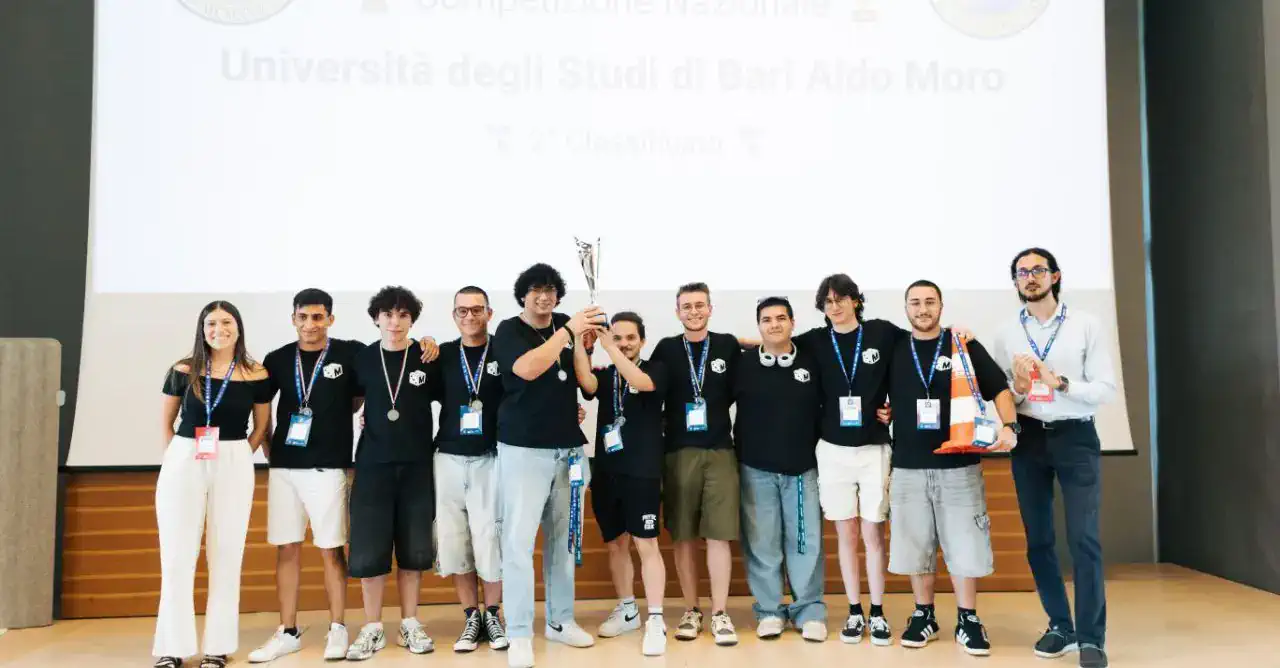
CyberChallenge.IT
A free, 12-week national training path for young people aged 16 to 24, combining theory, hands-on labs, local CTFs, and the national competition.
Open CyberChallenge.ITMntcrl Training
Mntcrl connects practical fundamentals with the national CyberChallenge.IT path. Build skill through labs, solve reviews, and competition-led exercises run by people who use the same methods in the field.

Start with CyberBootcamp or follow the national CyberChallenge.IT track.
A free, 12-week national training path for young people aged 16 to 24, combining theory, hands-on labs, local CTFs, and the national competition.
Open CyberChallenge.IT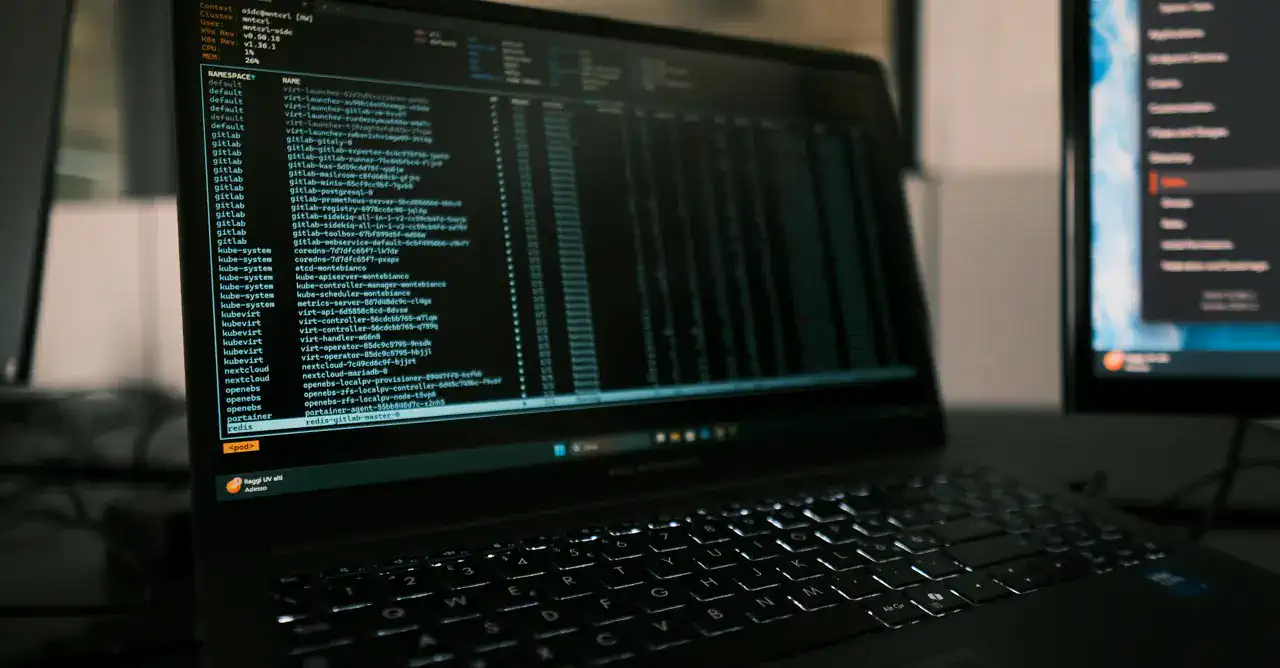
A free, practical introduction to web security, cryptography, reverse engineering, and binary exploitation for young people aged 16 to 24.
Open CyberBootcamp
“A good training path is not about collecting slides. It is about solving, reviewing, and bringing the method back to the group.”
The same technical areas connect CyberBootcamp fundamentals with deeper CyberChallenge.IT practice.
Browser behavior, server-side logic flaws, authentication mistakes, and common exploit chains.
Reading binaries, Android apps, custom formats, and obfuscated code with practical tooling.
Memory-corruption bugs, unsafe interfaces, return-oriented programming, and exploit development.
Weak randomness, misused primitives, protocol mistakes, and implementation-level crypto bugs.
Recovering evidence from memory, disk, and captured traffic, then reconstructing the full story.
Firmware, embedded targets, urban devices, side channels, and assumptions made by connected systems.
Lab members lead each session from the same disciplines they practice in competitions, pairing technical foundations with hands-on challenge review.

Web + Infra

Rev + Pwn

Pwn

Web + Infra

Web + Infra

Network + Forensics

Crittografia

Rev

Rev
Practical cybersecurity training shaped around your team and technical goals.
A focused curriculum mapped to your stack, risk profile, and team maturity, delivered through workshops, labs, and review sessions.
Purple-team exercises that let defenders and engineers practice detection, exploitation, incident response, and recovery in a controlled environment.
Hands-on AppSec training for developers: threat modeling, secure design, code review, dependency hygiene, and practical vulnerability fixes.
Tabletop exercises and tailored briefings that turn policies into practiced response habits for technical and leadership teams.
Reach out for training, events, lab visits, or research collaborations.